By Emmanuele Sordini
Astronomy: reports / Astronomy: website and activity updates
10 September 2019
1

 English
 ItalianoEnglishItaliano
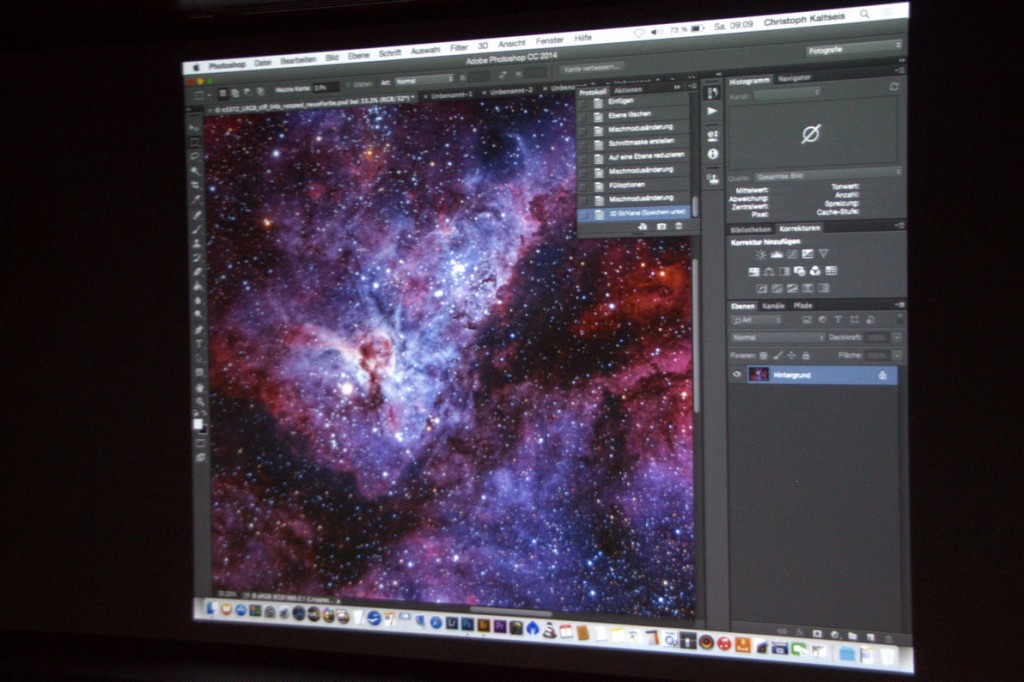
The fourth edition of CEDIC was held March 6th-8th, 2015. CEDIC is short for “Central European Deepsky Imaging Conference”: as its name suggests, it is a very specialized conference devoted to deepsky imaging and related topics: imaging and processing techniques, equipment, special use cases, etc. This conference saw the participation of a number of amateur astronomers from, some of whom are really top-notch, and some equipment dealers who also sponsored the event. he conference took place in Linz, Austria, in […]
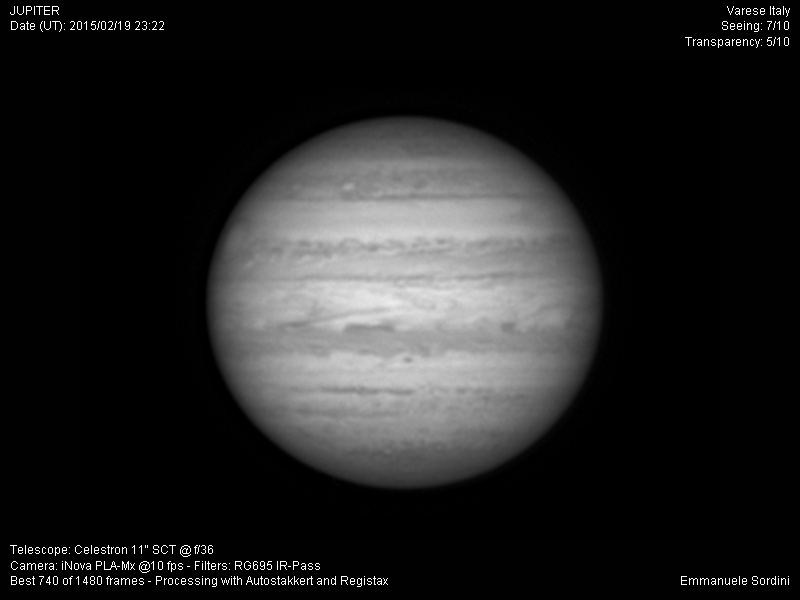
The best observing conditions for Jupiter in 2015 were expected to take place in February, as it would reach opposition on the 6th. Currently the gas giant is roaming constellation Cancer at a declination of about 17°, which produces rather favorable observing conditions for northern hemisphere mid-latitudes with a maximum altitude above the horizon of about 62°. Unfortunately it is heading towards the descending part of the ecliptic, so that the situation is bound to gradually worsen over the next […]
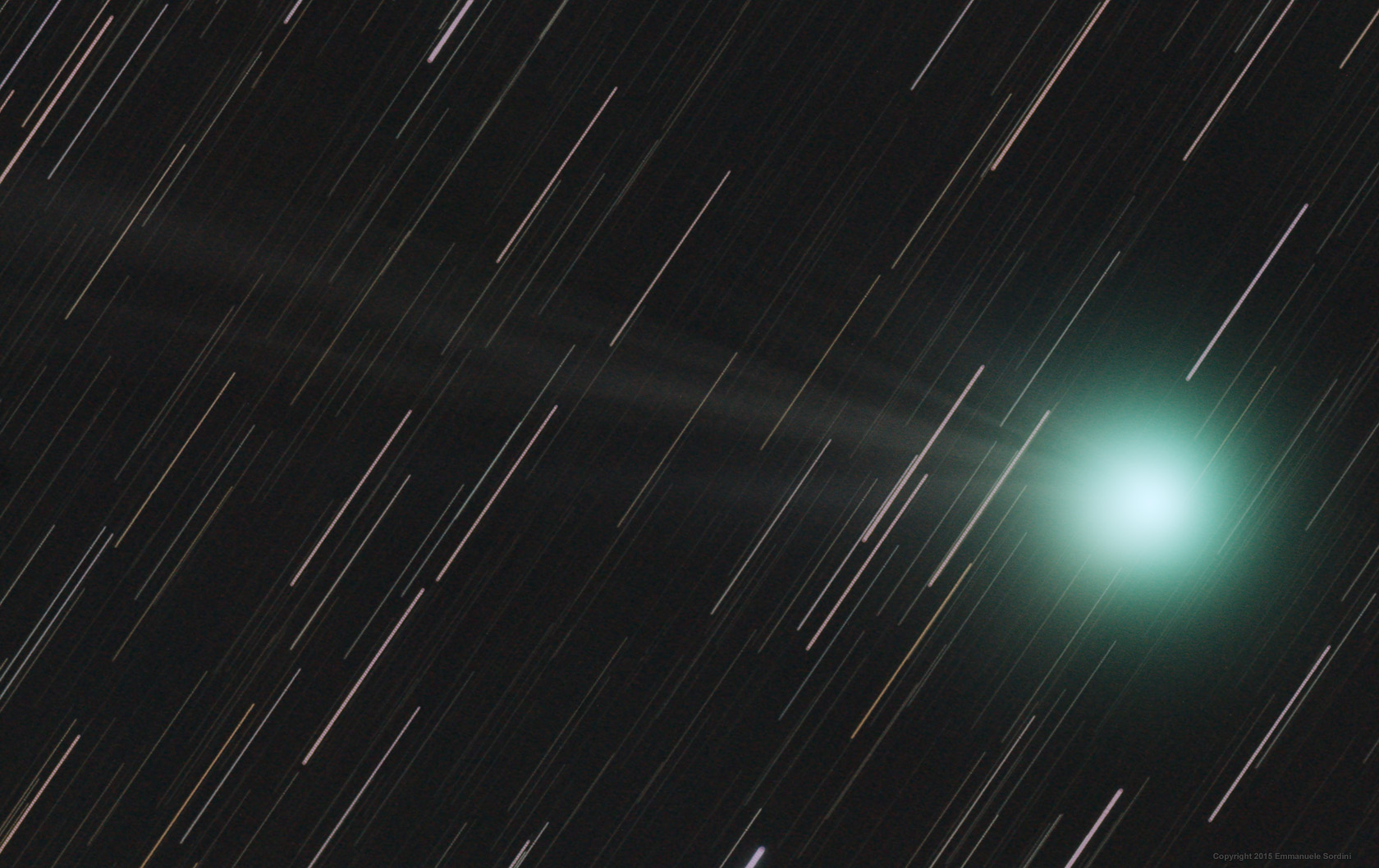
Heres another image of comet C/2014 Q2 Lovejoy: Ive got more of them on my processing backlog but I picked this one because its the one with the longest sub-exposures. It was taken from my backyard, in a heavily light-polluted area close to Varese, Italy. Longer sub-exposures tend to show the comets tail better, but at the expense of a sky background thats way more difficult to tame because of light pollution. And indeed, it turned out to be a […]
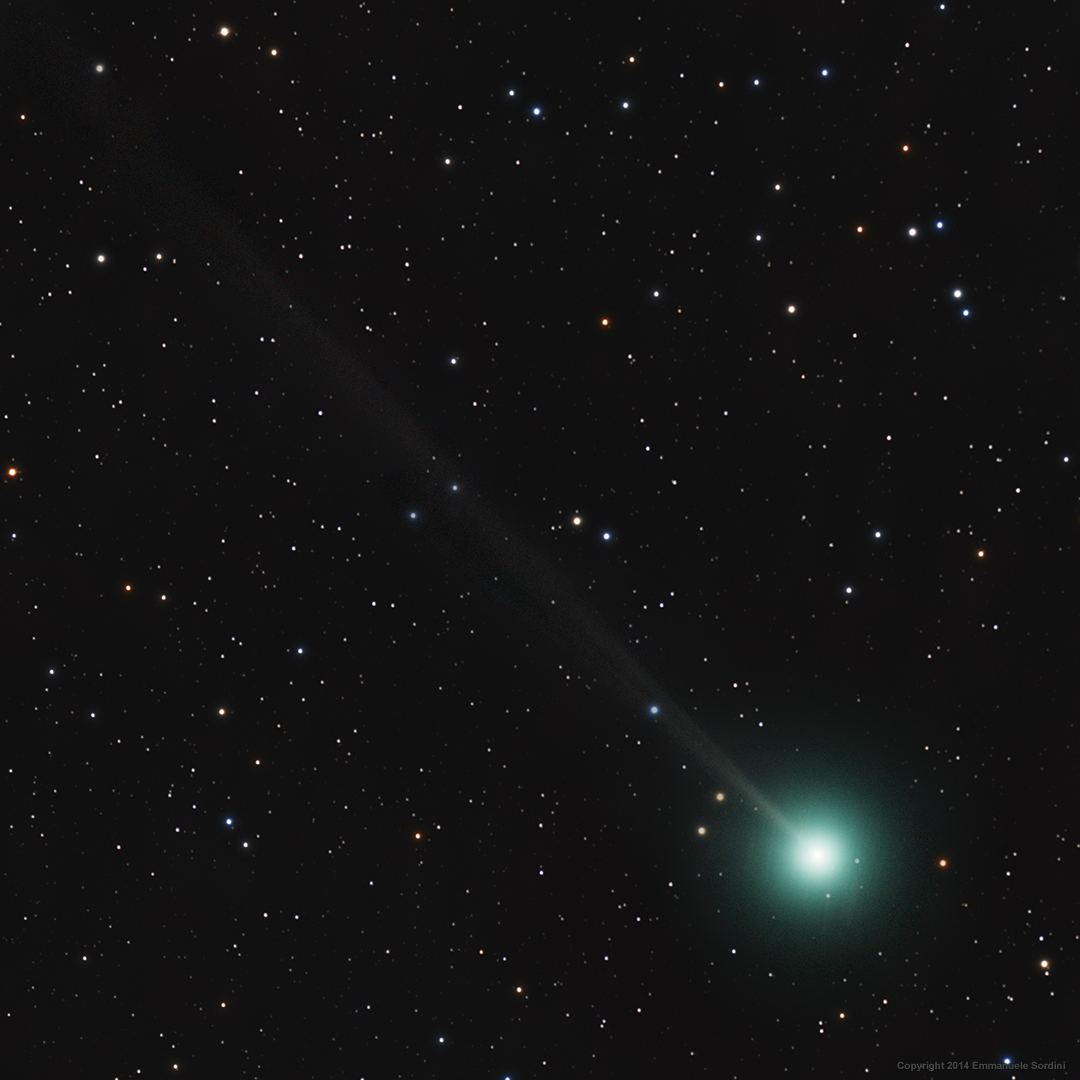
Discovered in August 2014 by Australian amateur astronomer Terry Lovejoy (at its fifth comet discovery), this comet is putting on a nice show. It is now shining at magnitude 4, therefore within naked-eye visibility, but only under a dark sky, in the constellation Eridanus. During the month of January, the visibility conditions will improve further, as it is rapidly heading towards more northern declinations. (For more info, please check out e.g. Sky & Telescope’s website). I imaged comet Lovejoy on […]
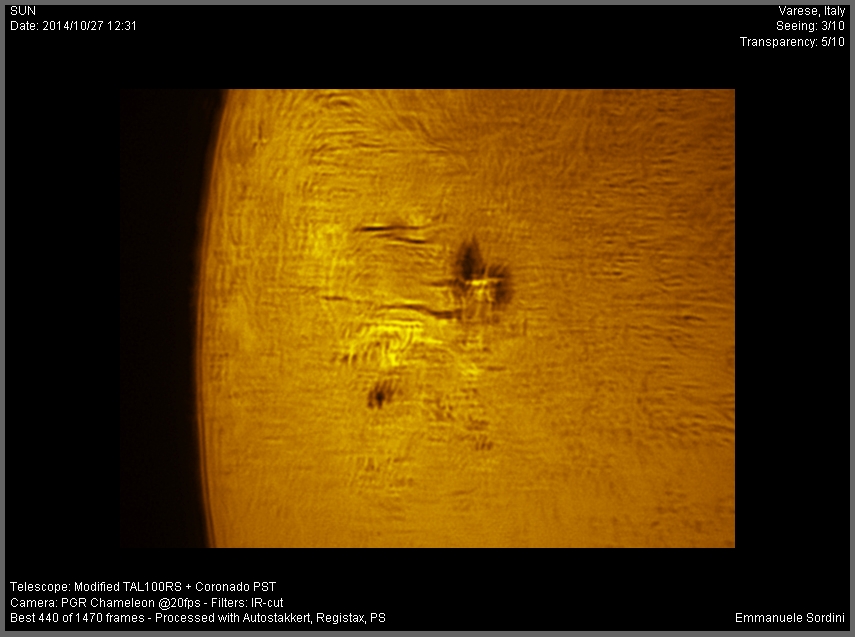
Imaging the Sun in a very narrow band centered on the h-alpha emission line (656.3 nm) yields some of the most stunning images of our star, which show a wealth of details and features on the solar surface which are not visible in white light. I have recently built a so-called “modified PST” solar telescope from a used Coronado PST. The instrument is still “work in progress” and I will most likely report on its construction in another article. I […]
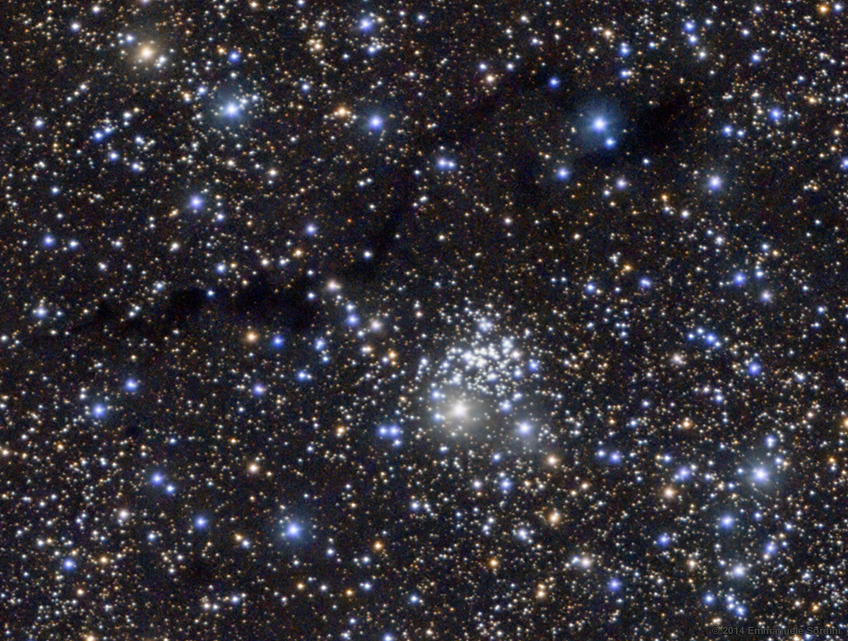
As everybody knows, the fall Milky Way offers several among the most beautiful objects in the northern hemisphere sky. Most often, the attention will focus mainly on the most prominent objects, such as the Double Cluster in Perseus, the Heart Nebula, the California Nebula, etc. However, there are a host of less famous objects (open clusters, nebulae, etc.) which are real gems. The constellation of Cassiopea, despite its small size, is full of such gems. These objects, if taken individually, […]