By Emmanuele Sordini
Astronomy: tips & tricks
31 January 2026
3

 English
 ItalianoEnglishItaliano
Nowadays color filters (RGB) are commonly used with monochrome cameras to image deep-sky and solar system objects (mainly, planets) in order to obtain color composites. Most CCD and CMOS cameras have a spectral sensitivity curve that extends beyond the visible light range (400-700 nm wavelength). In particular, most of these cameras can sport a good spectral response in the near infrared (IR), at wavelengths in the 700-1000 nm range. Purposely acquiring in the near IR through a IR-pass filter can […]
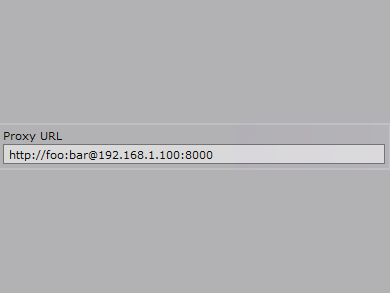
Nowadays, security policies in force on many (if not most) corporate networks prevent users and programs from making connections to the outside world that could pose security threats. These policies are usually enforced through firewalls blocking all outbound connections to all TCP ports but a few exceptions. Typically allowed protocols are http, https, ftp, etc. HTTP and HTTPS connections are used by all browsers for surfing the Internet, and by a variety of software applications such as antiviruses, mainly for […]
All wonderful hi-res planetary images currently taken by many amateur astronomers worldwide are all based on the same technique, i.e. selecting and aligning a lot of single frames from a single movie (typically an AVI file), which are then stacked and processed to yield the final result. The movies are acquired with a camera at average rates of 5 to 15 fps (frames per second) for durations ranging from a few dozen seconds to a few minutes; therefore, they can […]
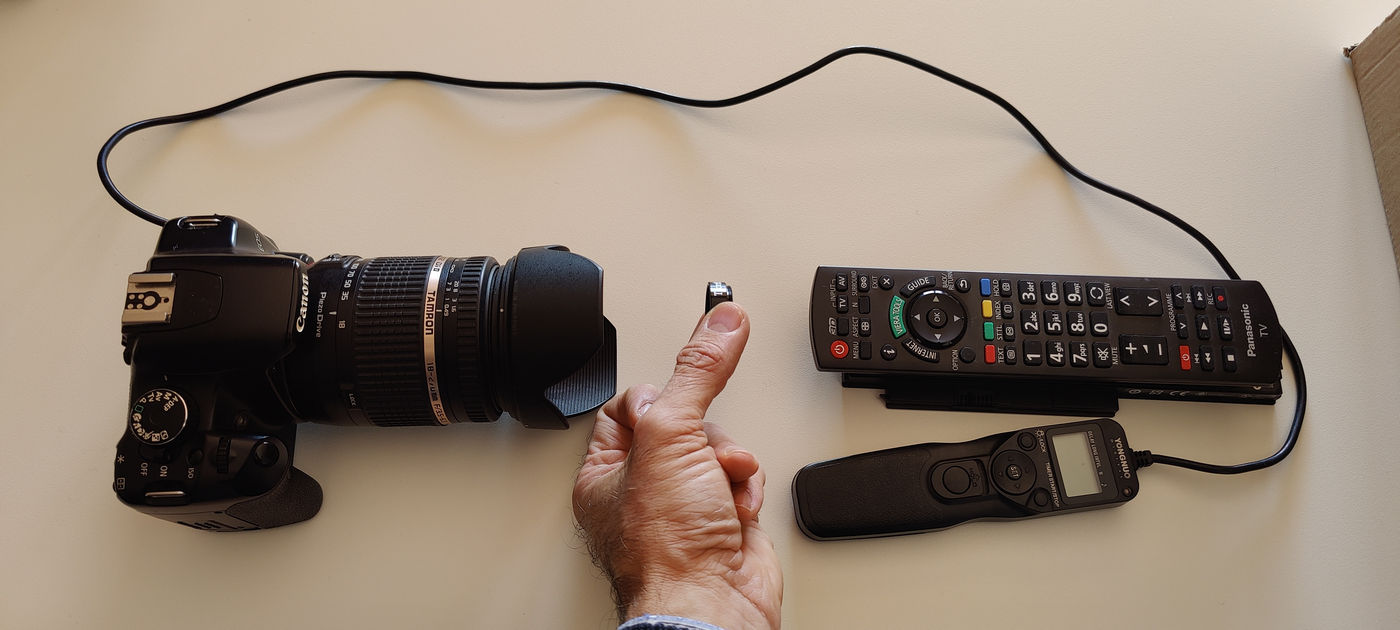
Every telescope or telephoto lens has its “magic” f/number: that is, the ratio between its focal length and aperture. Although we don’t go deeper into the matter as it’s not within the scope of this article, it’s worth mentioning that the higher the f/ratio, the longer the exposure time required to yield a given picture density (i.e. how much detail we want to record). Each telephoto lens is normally used with the camera body it was built for, so that […]